The Swan, the Books, and the Art of Wandering
There is a reason I call myself TheWittySwan.
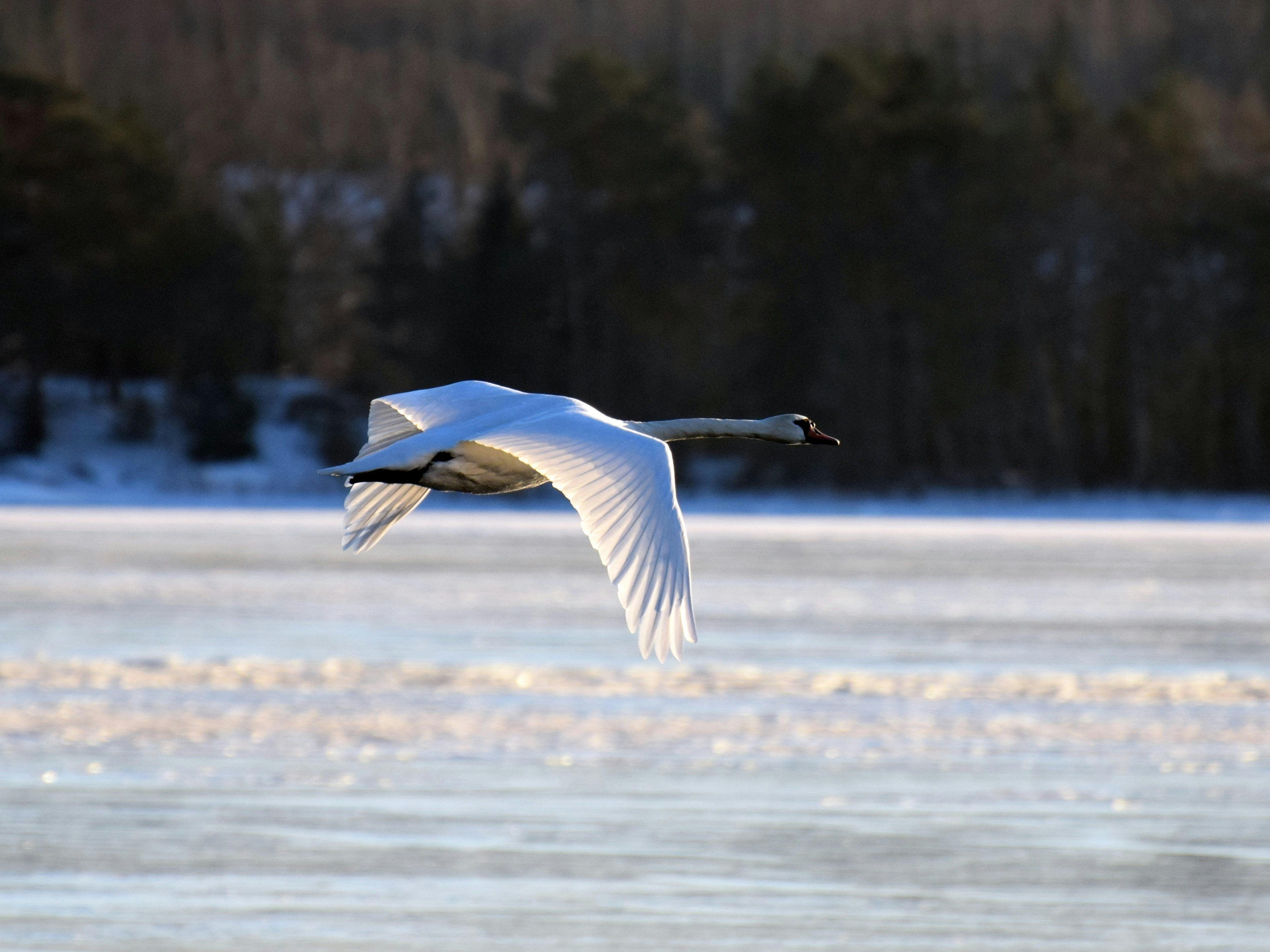
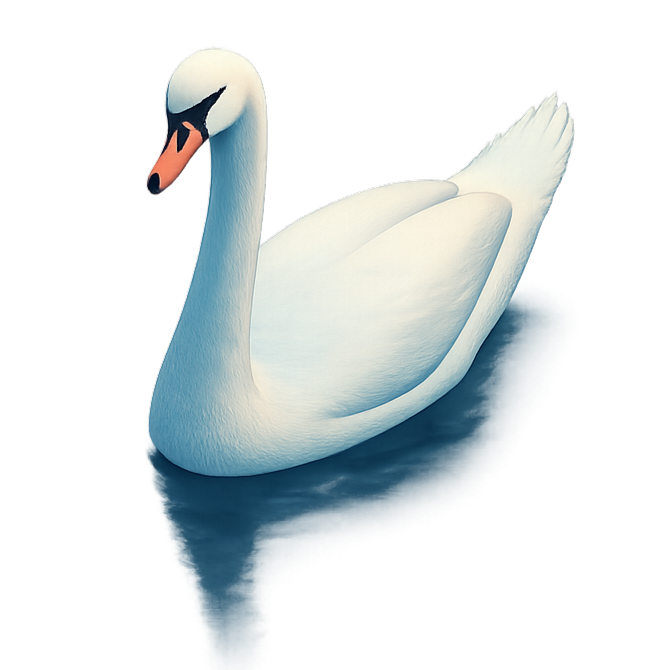
A Swan, because I have always had an unreasonable affection for flight. I like the thought of leaving the familiar shore behind, of crossing distances simply because there is something beyond them worth seeing. I have spent much of my life trying to fly a little farther, work a little harder, and arrive somewhere I had not imagined yesterday.
And Witty—perhaps because I have always been fascinated by the invisible theatre of the human mind: the thought concealed beneath a sentence, the hesitation before an answer, the meaning that lives somewhere between what a person says and what they choose to leave unsaid.
Perhaps that is why I found literature.
A book is the quietest way in which one human being enters the mind of another.
I never set out to read a hundred works.
I simply kept opening doors.
One led to Tagore, another to Premchand; Shakespeare appeared somewhere along the corridor, followed by Austen, Manto, Tolstoy, Hemingway, Dinkar, Kabir, Nirala—and a procession of voices separated by centuries, languages, countries, and death.
When I finally stopped to count the footsteps behind me, there were 102.
- 40 books and novels
- 26 stories
- 9 plays
- 27 poems
Yet numbers are rather inadequate things when placed beside literature.
They can tell me that I have read Gora.
They cannot tell me what remained of it after I closed the book.
They can tell me that I read Toba Tek Singh.
They cannot measure the silence that follows a story which refuses to leave you alone.
They can tell me that I have encountered Shakespeare, Tagore, Manto, Kabir and Dinkar.
They cannot tell me how many times their words have quietly returned when I was looking at something entirely different.
And perhaps that is when I understood that reading is not accumulation. It is alteration.
Every good book leaves the reader slightly displaced.
Finding Other Readers
For a long time, this wandering was solitary.
Just me, a book, and the peculiar intimacy of turning pages while the rest of the world carried on outside.
But eventually I wanted to hear other voices.
What did they see?
What had I missed?
Why did a character I disliked become someone else’s favourite?
Why could a single poem make one person laugh and another person stare silently at the floor?
That search brought me to Kitaab.
Kitaab is a Delhi literary community where books become occasions for conversation—for reading together, arguing over pages, meeting authors, and discovering that a story rarely belongs to its author alone once it has entered a reader’s imagination.
And today, I am grateful to be part of the Kitaab Delhi core team.
It feels, somehow, like the next chapter of the same journey.
First, I read.
Then I wondered.
Then I wanted to talk.
Now I get to help create a place where others can read, wonder, and talk too.
A First Page
So this is my first literature piece here at TheWittySwan.
I don’t intend for this to become a catalogue of books or a parade of literary credentials.
There are already enough lists in the world.
I would rather write about what books do to us.
The memories they awaken.
The questions they leave behind.
The people we become for a few hundred pages.
The strange friendships we form with writers who have been dead for centuries.
And those rare moments when a sentence seems to have been written not by an author, but by some mysterious future version of ourselves.
Perhaps that is what reading has taught me most:
there are more lives in the world than any one person can live.
So we borrow them.
A little from a novel.
A little from a poem.
A little from a story told long ago.
And then we return to our own lives carrying something that was not there before.
The Swan keeps flying.
The reader keeps turning pages.
And somewhere between the two, I suppose, TheWittySwan was born.
This is only the first page.
There are many worlds left to wander.
— TheWittySwan 🦢📚